Showing posts with label Senior Health. Show all posts

Friday, July 28, 2017

Senator John McCain: Glioblastoma vs Glioma

Senator McCain came back to the Senate, only to vote against the skinny repeal of OBAMACARE yesterday.  What a disappointment! However, Mr McCain has another health-related issue that will take up more attention: his brain tumor.

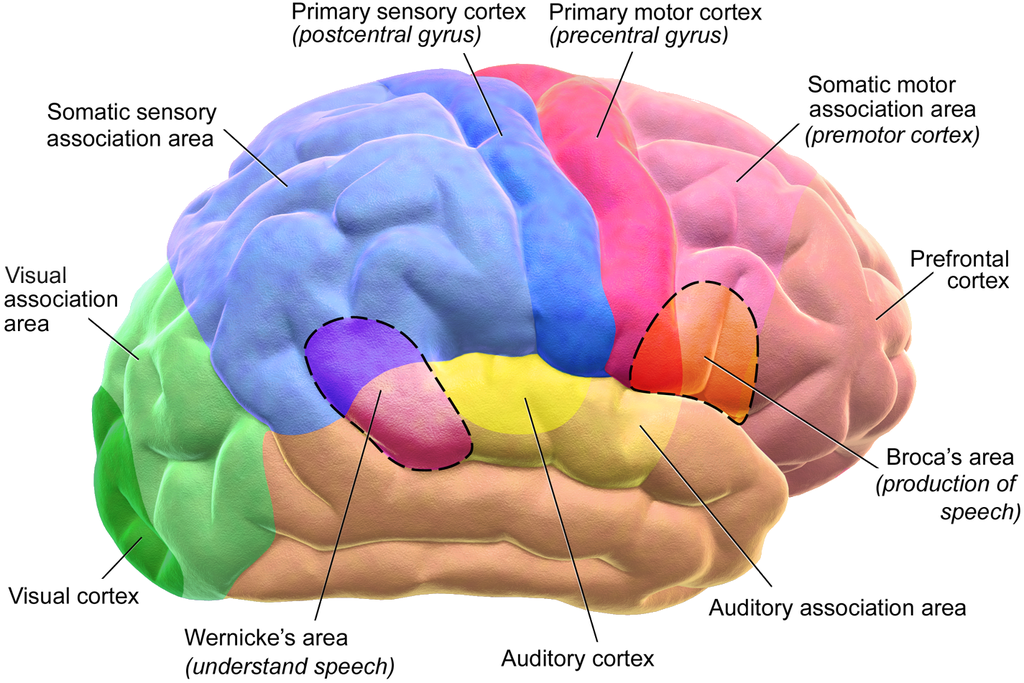
Blausen.com staff (2014)

Senator Ted Kennedy ( (February 22, 1932 – August 25, 2009) also had a brain tumor, but unfortunately, lasted only 15 months after his diagnosis. He was 77 ; younger than Senator McCain is now.

Senator Kennedy had Glioma which, though slower moving, has the more dire prognosis compared to Senator McCain's brain tumor, Glioblastoma. Still, cancer is cancer; things do not look good. I feel nothing but pity for Mr McCain and his family. Here's a good article comparing the two brain tumors:
Glioma versus Glioblastoma:
Brain tumor is the most complex cancer of all due to its location in the most complex organ, the brain. Glioma and Glioblastoma are two different types of brain tumors. These tumors arise from the brain tissue and tend to usually occur in the fifth or sixth decade of life. They are also called primary brain tumors, that is, not secondary to any other cancer in the body and are the most commonly occurring as compared to other brain tumors.

Differences in Origin:
Glioma accounts for 80% of the brain tumors and arises from glial cells, a type of supporting tissue for the brain cells. It is differentiated into three main groups according to the types of cells that it shares features with. A glioma could be arising from astrocytes (star shaped cells conducting brain activity), oligodendrocytes (forming protective layer around nerve cells) or ependymal cells (lining walls of fluid spaces within the brain). This also differentiates it into low grade or benign glioma and a high grade or malignant (cancerous) glioma. 30% of these gliomas are malignant.
Glioblastoma is the commonest of all malignant tumors of the brain. In fact, it is found to be highly cancerous containing a very high blood supply and comprising of dead tissue and cystic tissue. Due to its multiple forms, it is also termed Glioblastoma multiforme (GBM). It arises from star shaped cells in the brain called astrocytes. The grade IV type of tumor arising from these astrocytes which is infiltrative and undifferentiated from other normal cells is called Glioblastoma.
Difference in prognosis:
Glioma though is a slowly progressing tumor; its prognosis is not very good. There is no cure and the only aim of treatment is to bring down its growth and to manage symptoms. The survival rate from the time of diagnosis is on an average 12 months but with better modalities of treatment coming up a median survival of up to 11 to 12 years seen. Again the life expectancy depends on whether the tumor is benign or malignant with the latter carrying lesser years of survival.
Glioblastoma is a rapidly growing tumor with a survival rate of 3 to 5 months from the time of diagnosis if left untreated. But, following surgical removal a survival rate of 1 – 2 years has been observed. The years of survival reduce with increasing age. In 10% of the cases, a survival rate of 5 years has also been seen.
Summary:
It can be concluded that both Glioma and Glioblastoma are common brain tumors. Their occurrence increases with progressing age and are best treated with surgical removal after being diagnosed with the help of a CT scan or an MRI scan. The surgery is followed by radiotherapy and chemotherapy to limit the growth of these tumors and to manage the symptoms arising from them. Glioblastomas arise from star shaped astrocytes while gliomas arise from any of the supportive tissue cells of the brain.
Read the full article here Glioma and Glioblastoma 
********************************
I am hoping that Mr McCain lives long enough to fulfil the rest of his term in the US Senate (ends Yr 2022). If he is unable to fulfil his duties, Arizona Republican governor, Doug Ducey, will appoint someone to fill the vacant seat. Then, an election will be held in Yr 2018 -- two AZ Senators would be running for election in the same year! Sounds ominous to the Republican-controlled US Senate, IMO.  We'll have to wait and see.

As much as Mr McCain has recently left a bad taste in my mouth (re Obamacare) I will be praying that he is healed completely if it is the Lord's will.


Senator Kennedy

Ted Kennedy &  Glioma


38.8.25.18

Monday, July 3, 2017

Healthy Monday: Sunshine Vitamin D is da bomb!

We take extra Vitamin D, especially during flu season.


Vitamin D deficiency – who is at risk?

What makes your bones and teeth stronger, wards off infections and diseases, and keeps you cheerful? It’s Vitamin D, quite rightly called the “Sunshine Vitamin.” This fat-soluble vitamin is known to ward off cancers, autoimmunity, heart disease and type 2 diabetes. It is estimated that around 50 percent of the human population, all around the world is deficient in Vitamin D and the reasons could range from low exposure to sunlight to faulty lifestyle choices. Find out if you belong to any of these vitamin-deficient groups.

Infants: In babies, Vitamin D deficiency is seen in infants who are the only breast fed. Vitamin D requirements cannot be met by human milk alone especially if the mother is low on the vitamin herself. So she has to fortify her Vitamin D intake so that her child also gets enough through her breast milk. [1]

Senior citizens: Seniors over the age of 50 are at risk for Vitamin D deficiency because of their ageing skin. When the skin ages, it stops being as efficient as it used to be before and does a poor job of absorbing sunlight and producing Vitamin D. Older people also tend to spend a lot of time indoors, which increases their risk for deficiency. This is probably why seniors face bone fragility issues. [2]

People who stay indoors: This one’s a no-brainer, but limited sun exposure can make one Vitamin D deficient. If you are used to wearing long robes due to religious reasons, or if your job demands you to suit up completely or work in the shade, you could be vitamin deficient. Also, reaching for the sunscreen every time you step out may not be a smart thing to do. [3]

People with darker skin tones: Darker skin means more melanin in the epidermal layers. And this means reduced ability to produce Vitamin D from sunlight. This can be fixed by eating a Vitamin D-rich diet or having supplements to match up to the RDA levels. [2]

Obese or people who have undergone gastric bypass: Having a Body Mass Index of more than 30 is associated with low Vitamin D levels. More the amount of fat in the body, more the chances of the fat trapping the vitamin and restricting its release into the blood. In people who have undergone gastric surgery for weight loss, the upper small intestine where Vitamin D is absorbed is bypassed. [4]

People who have trouble absorbing fat: Since Vitamin D is a fat-soluble vitamin. So unless there is some fat in your gut, you won’t be able to absorb dietary Vitamin D. So, some people who fat absorption problems associated with liver diseases, cystic fibrosis and Crohn’s disease may end up being Vitamin D deficient. [5]


Link: Vitamin D Deficiency

References:
1. Wagner, C. L., & Greer, F. R. (2008). Prevention of rickets and vitamin D deficiency in infants, children, and adolescents. Pediatrics122(5), 1142-1152.
2. Del Valle, H. B., Yaktine, A. L., Taylor, C. L., & Ross, A. C. (Eds.). (2011). Dietary reference intakes for calcium and vitamin D. National Academies Press.
3. Webb, A. R., Kline, L., & Holick, M. F. (1988). Influence of season and latitude on the cutaneous synthesis of vitamin D3: exposure to winter sunlight in Boston and Edmonton will not promote vitamin D3 synthesis in human skin. The journal of clinical endocrinology & metabolism67(2), 373-378.
4.  Nair, R., & Maseeh, A. (2012). Vitamin D: The” sunshine” vitamin. Journal of Pharmacology and Pharmacotherapeutics3(2), 118.
5.  Malone, M. (2008). Recommended nutritional supplements for bariatric surgery patients. Annals of Pharmacotherapy42(12), 1851-1858.

http://www.thehealthsite.com/diseases-conditions/vitamin-d-deficiency-who-is-at-risk-k0617/